



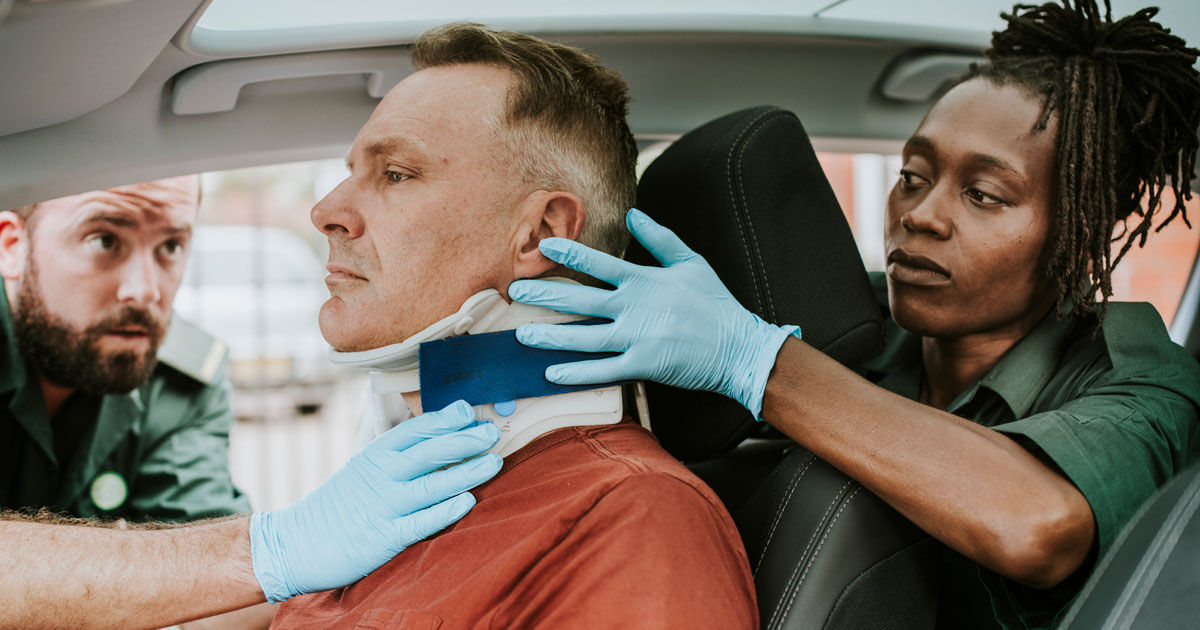
A low-speed rear-end collision at a stoplight might seem like nothing more than a minor inconvenience. Yet days later, one of those drivers wakes up with a stiff neck, a pounding headache, or shooting pain down their arm, and suddenly that “minor” crash has major implications. Property damage does not always reflect the physical toll a collision takes on the human body, which is why even low-impact car accidents deserve serious attention.
What Is a Low-Impact Collision?
The term low-impact collision is used broadly in insurance and legal settings to describe crashes where vehicle damage appears minimal, though no single speed threshold defines the category across all medical or engineering literature. Because the vehicles absorb little energy visibly, the force of impact can transfer more directly to the occupants inside. Insurance companies often use minimal property damage to argue that personal injury could not have occurred, although medical research consistently shows otherwise.
Why Do Minor Crashes Still Cause Injuries?
The human body is not built to absorb sudden, unexpected force, even at low speeds. During a rear-end collision, the head and neck snap forward and backward rapidly, which places enormous strain on soft tissues, ligaments, and spinal structures. Because muscles cannot brace for an impact they do not anticipate, the resulting trauma can be significant even when the vehicles involved show little visible damage.
What Types of Injuries Are Common After Low-Speed Crashes in Monmouth County?
Whiplash is among the most frequently reported injuries following low-speed collisions, as the rapid back-and-forth motion of the neck strains muscles and connective tissue. Herniated discs, concussions, and shoulder injuries are also common, where the force of impact causes internal damage that does not appear on the surface. Soft tissue injuries are particularly problematic because they rarely show up on standard X-rays, making them harder to diagnose quickly.
Why Do Symptoms Sometimes Appear Days Later?
Adrenaline released during and after a collision can mask pain signals, which is why many people feel fine immediately following a crash. As adrenaline levels drop in the hours and days that follow, ,inflammation builds and nerve irritation becomes more apparent. This delayed onset is well documented in medical literature and explains why symptoms such as headaches, stiffness, numbness, and cognitive difficulties often surface 24 to 72 hours after the incident.
How Does Minimal Vehicle Damage Affect an Injury Claim?
Insurance adjusters frequently argue that minimal property damage means little bodily harm, although this reasoning is not supported by biomechanical research. Studies published in medical and engineering journals show that low-speed impacts can generate enough force to injure occupants even when bumpers sustain little damage. Documenting injuries promptly and thoroughly through medical records is important because those records form the foundation of any compensation claim.
What Should I Do After a Low-Speed Car Accident?
The steps taken right after a crash can directly affect the strength of a future injury claim. Calling the police creates an official record of how the collision occurred, while seeking medical attention the same day establishes a documented link between the crash and any injuries that surface later. Before leaving the scene, snap photos of the other driver’s license, insurance, and registration cards; take pictures of evidence such as skid marks, traffic signals, and weather conditions. Remember, a gap in medical treatment gives insurers grounds to argue that something else caused the injuries.
Monmouth County Car Accident Lawyers at Mikita & Roccanova, LLC, Will Be There for You
Even a so-called minor car crash can cause serious personal injury. The Monmouth County car accident lawyers at Mikita & Roccanova, LLC, will fight for you and work to get a settlement that pays you what you deserve. You can schedule a free initial consultation with one of our attorneys by visiting our website or by calling us today at 732-705-3363. We have offices in Hazlet and Highland Park, NJ, and we serve clients in New Jersey and Pennsylvania.